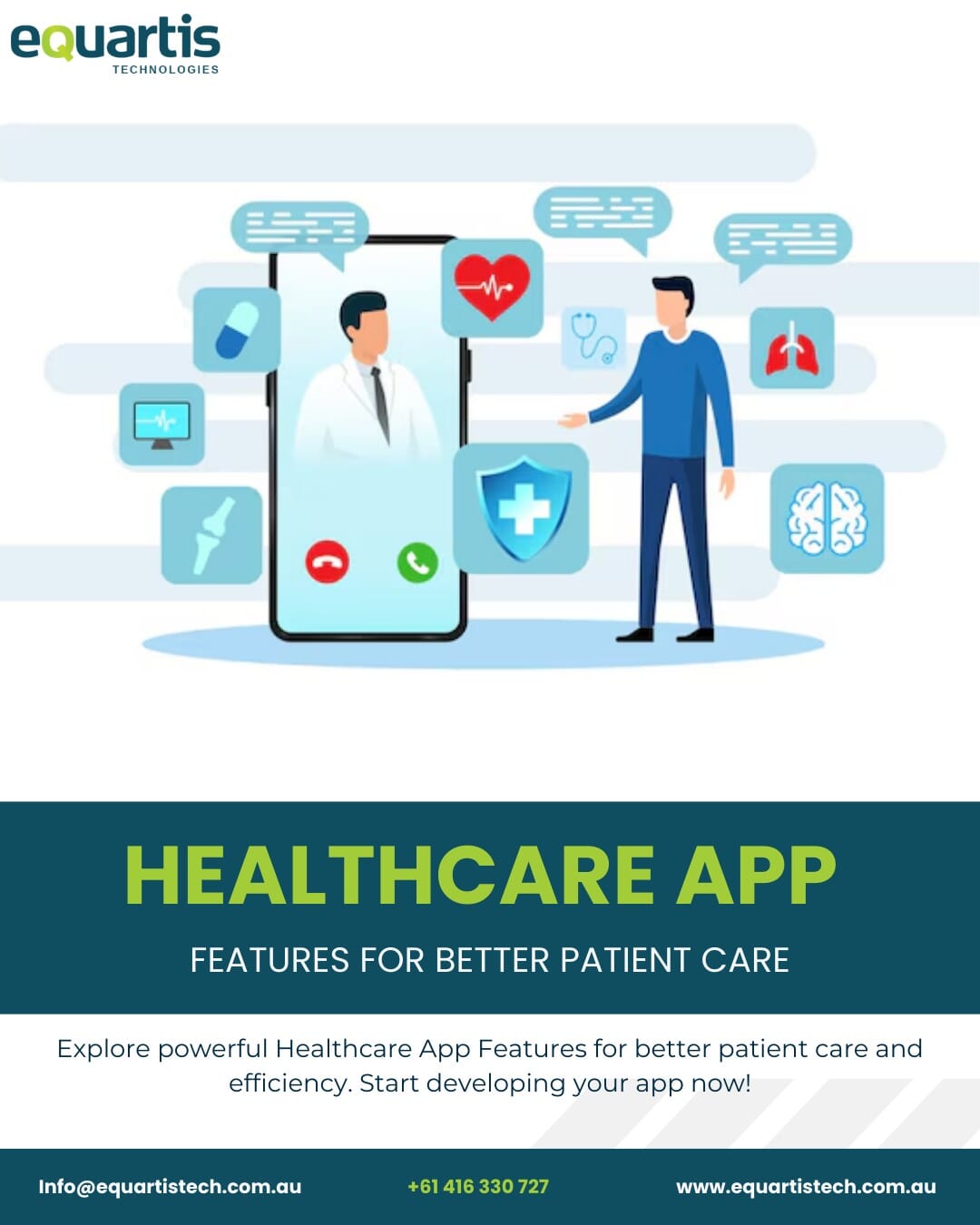
Digital innovation has transformed nearly every industry, and healthcare is no exception. Modern patients expect convenient access to medical services, secure communication with providers, and personalised health insights at their fingertips. This is where Healthcare App Features play a crucial role in delivering efficient, patient-centric care.
From appointment scheduling and teleconsultation to real-time monitoring and electronic health records, healthcare applications are redefining how medical services are delivered. In this comprehensive guide, we will explore the most essential features that enhance patient experience, improve clinical efficiency, and ensure secure healthcare management.
The Growing Importance of Healthcare Apps
Healthcare systems worldwide face increasing pressure due to rising patient volumes, staff shortages, and growing operational costs. Mobile and web-based healthcare applications help address these challenges by:
- Reducing administrative workload
- Improving patient communication
- Offering remote consultation services
- Enhancing treatment accuracy
- Supporting data-driven decision-making
As healthcare becomes more digital, the right features determine whether an app succeeds or fails.
Why Features Matter in Healthcare Applications
The effectiveness of a healthcare app depends on its functionality. A well-designed medical app must balance usability, compliance, and security while providing meaningful value to patients and providers.
Key objectives include:
- Improving patient engagement
- Streamlining clinical workflows
- Enhancing data accuracy
- Protecting sensitive medical information
- Ensuring regulatory compliance
Without the right features, even the most attractive app can fail to meet healthcare standards.
Core Healthcare App Features That Improve Patient Care
Below are the essential functionalities every healthcare app should consider:
1. Secure User Registration and Authentication
Healthcare apps handle sensitive data, making security the top priority. Secure authentication systems should include:
- Multi-factor authentication
- Biometric login (fingerprint/face ID)
- Role-based access control
- Encrypted data transmission
This ensures patient data remains protected at all times.
2. Appointment Scheduling and Management
An integrated appointment system allows patients to:
- Book consultations
- Reschedule or cancel appointments
- Receive reminders
- View doctor availability
This feature reduces no-shows and administrative workload.
3. Telemedicine and Video Consultation
Remote healthcare has become a standard practice. Telemedicine features enable:
- Secure video calls
- In-app chat communication
- Digital prescriptions
- Remote follow-ups
This improves access for patients in rural or remote areas.
4. Electronic Health Records (EHR)
A comprehensive digital record system helps:
- Store patient history
- Track diagnoses
- Manage prescriptions
- Share reports securely
Integration with a clinical information system ensures seamless data flow between departments and improves treatment accuracy.
5. Prescription Management
Digital prescription tools allow doctors to issue and manage prescriptions electronically. Patients can:
- Access medication details
- Set reminders
- Request refills
This reduces errors and enhances compliance.
6. Health Tracking and Monitoring
Health monitoring features are essential for chronic disease management. These include:
- Blood pressure tracking
- Glucose monitoring
- Heart rate analysis
- Fitness tracking integration
Many patients rely on my health app to monitor daily wellness metrics and stay proactive about their health.
7. Push Notifications and Alerts
Timely reminders improve adherence to treatment plans. Notifications can include:
- Medication reminders
- Appointment alerts
- Test result updates
- Preventive care suggestions
Automated alerts keep patients engaged and informed.
8. Secure Messaging System
Direct communication between patients and providers enhances convenience. A secure messaging feature allows:
- Follow-up questions
- Report sharing
- Symptom discussions
Encrypted chat ensures privacy and confidentiality.
9. Payment Integration
Healthcare apps often integrate secure payment gateways for:
- Consultation fees
- Subscription plans
- Insurance processing
This simplifies billing and enhances transparency.
10. Admin Dashboard and Analytics
Healthcare administrators require data insights to make informed decisions. Analytics dashboards provide:
- Patient trends
- Appointment statistics
- Revenue tracking
- Performance metrics
Data-driven management improves operational efficiency.
Advanced Healthcare App Features
To stay competitive, healthcare apps increasingly integrate advanced technologies.
AI-Powered Symptom Checker
Artificial intelligence tools can:
- Analyse patient symptoms
- Suggest potential conditions
- Recommend next steps
This feature improves preliminary assessment and patient guidance.
Wearable Device Integration
Integration with wearable devices allows real-time monitoring. Data from smartwatches and fitness bands can be synced directly to the app for accurate health tracking.
Cloud-Based Data Storage
Cloud infrastructure ensures:
- Secure storage
- Scalable capacity
- Remote accessibility
- Disaster recovery
Cloud solutions also support better collaboration between healthcare teams.
Multilingual Support
Healthcare apps serving diverse populations should offer multiple language options to improve accessibility.
Accessibility Features
User-friendly interfaces must support:
- Larger text sizes
- Voice commands
- High-contrast modes
Inclusive design improves adoption across age groups.
Designing for User Experience
User experience (UX) plays a vital role in healthcare apps. Patients of all ages—including elderly users—must be able to navigate easily.
Best practices include:
- Simple onboarding process
- Clear navigation menus
- Minimal data entry steps
- Intuitive design
A good health app prioritises simplicity without compromising functionality.
Ensuring Regulatory Compliance
Healthcare apps must adhere to strict regulations regarding data privacy and medical standards.
Compliance considerations include:
- Secure data encryption
- Patient consent management
- Data retention policies
- Regulatory audits
Failing to meet compliance standards can result in legal and financial consequences.
Security as a Core Feature
Beyond authentication, additional security measures include:
- End-to-end encryption
- Secure APIs
- Regular vulnerability testing
- Activity logging
Healthcare apps must maintain continuous monitoring to prevent breaches.
Midway Insight: The Role of Healthcare App Features in Patient Engagement
At this stage, it becomes clear that Healthcare App Features are not merely technical components—they directly influence patient satisfaction, treatment adherence, and overall care quality. Apps designed with thoughtful, patient-first features foster trust and encourage long-term engagement.
Integration with Hospital Systems
Healthcare apps should seamlessly integrate with:
- Laboratory systems
- Pharmacy systems
- Insurance providers
- Electronic medical record platforms
Integration with a clinical information system ensures data accuracy and reduces duplication.
Customisation and Scalability
Healthcare providers often require tailored solutions. Customisable features allow:
- Personalised dashboards
- Configurable appointment types
- Specialty-based modules
Scalable architecture ensures the app can grow alongside the organisation.
Challenges in Implementing Healthcare App Features
Despite benefits, there are challenges:
- Data security risks
- Complex system integrations
- High development costs
- User adoption resistance
Overcoming these challenges requires expert planning and technical expertise.
Cost Considerations
The cost of implementing advanced features depends on:
- App complexity
- Platform (iOS, Android, Web)
- Security requirements
- AI or wearable integrations
- Maintenance scope
Investing in quality features ensures long-term ROI and operational efficiency.
Future Trends in Healthcare App Development
Emerging trends shaping healthcare applications include:
- AI-driven diagnostics
- Predictive analytics
- Remote patient monitoring
- Voice-assisted consultations
- Blockchain-based health records
As technology advances, healthcare apps will continue evolving to meet growing patient expectations.
Long-Term Maintenance and Support
Healthcare apps require ongoing updates to:
- Adapt to regulatory changes
- Enhance performance
- Fix bugs
- Improve user experience
Continuous maintenance ensures reliability and patient trust.
Choosing the Right Development Partner
When building a healthcare app, selecting the right development partner is critical. Look for:
- Healthcare domain expertise
- Strong security practices
- Regulatory compliance knowledge
- Scalable architecture experience
- Post-launch support
An experienced team ensures smooth implementation and sustainable growth.
Conclusion: Building Better Patient Care Through Technology
Healthcare apps are reshaping patient experiences by offering convenience, accessibility, and transparency. Well-designed Healthcare App Features enhance communication, streamline operations, and empower patients to take control of their health journey.
If you’re planning to build a robust healthcare solution, partnering with a trusted app development company in Melbourne can help you design secure, scalable, and user-centric applications that align with modern medical standards.
By prioritising innovation, compliance, and patient-centric design, healthcare providers can deliver better outcomes and build stronger, technology-driven care ecosystems for the future.